The short answer
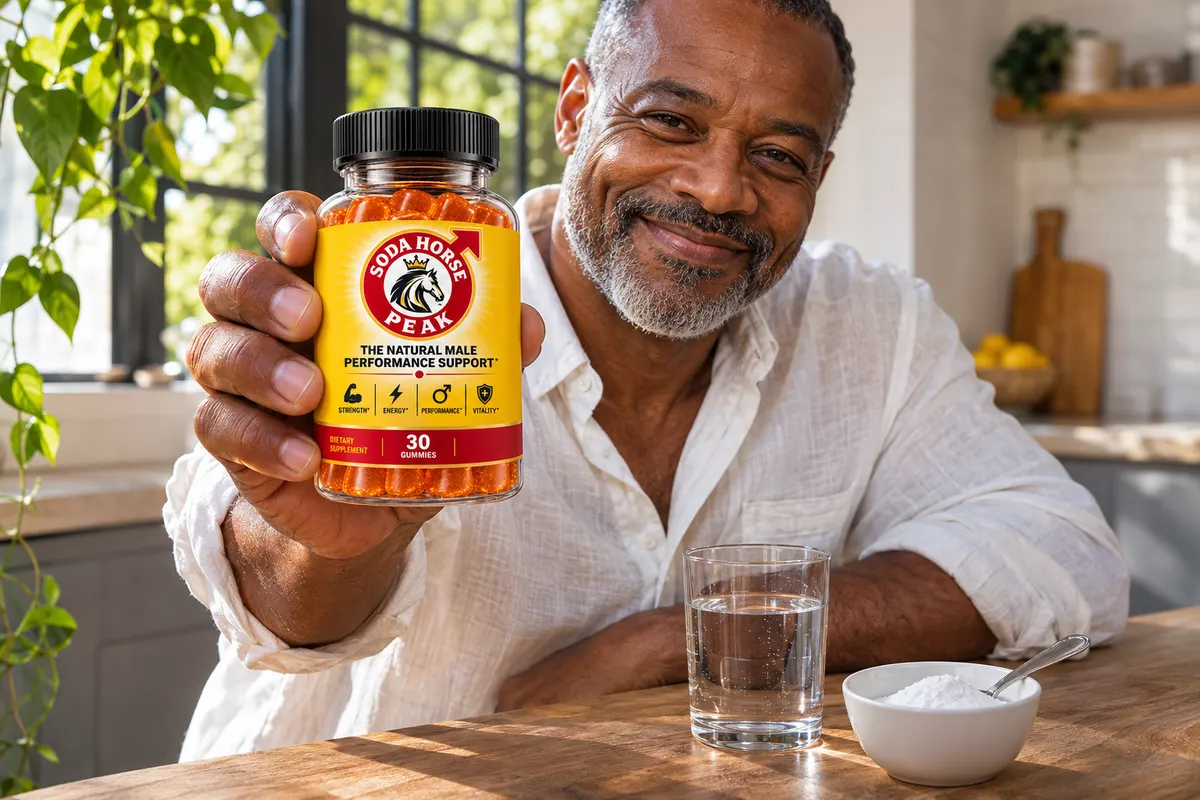
The baking soda trick for men was not invented by a doctor or discovered in a study. It is a recent social media idea stitched together from four much older ones: baking soda as a 19th-century kitchen staple, "bicarbonate of soda" as a classic stomach remedy, athletes' bicarbonate loading for intense sport, and the alkaline-diet craze. Each of those traditions had a grain of truth, but none of them was about daily male performance, and the glass of baking soda carries a heavy sodium load. The instinct behind it — a simple daily ritual — is a good one; the modern version we recommend is a once-a-day honey gummy, SodaHorsePeak, which contains no baking soda at all.*
If you have seen the videos, you know the format: a man stirs half a teaspoon of white powder into water, maybe adds lemon or a pinch of salt, drinks it in the morning and calls it his "trick". It looks new and a bit mysterious. But every part of that ritual has a long history behind it — just not the history the videos imply.
Understanding where the trick came from is the fastest way to understand what it can and cannot do. If you are looking for the recipe itself, our step-by-step baking soda trick guide covers it honestly. This page is about the story behind the glass.
1. The ancient roots: natural "soda"
Long before anyone sold it in a box, people used naturally occurring soda minerals. The best-known example is natron, a mineral mix of sodium salts collected from dried lake beds in ancient Egypt and used for cleaning, preserving and the mummification process. It was valued as a cleanser and preservative, not as a drink for vitality. That is worth remembering: the oldest uses of "soda" were on things, not in people.
2. The 19th-century kitchen staple
The modern story starts with industrial chemistry. In the late 1700s and 1800s, new manufacturing processes made sodium compounds cheap and plentiful, and sodium bicarbonate — baking soda — became a household leavening agent. American families used it to make biscuits, breads and cakes rise, and packaged baking soda became a pantry fixture; the best-known American baking soda brand traces its roots to 1846.
From there it spread to every corner of the house: cleaning, deodorizing, toothpaste, the fridge. Its reputation as a harmless, do-everything powder is a big part of why a viral drink built around it feels safe to so many people.
3. The medicine-cabinet remedy: "bicarbonate of soda"
For generations, a spoonful of "bicarbonate of soda" in water was the go-to fix for heartburn and indigestion, and sodium bicarbonate is still used today as an active ingredient in over-the-counter antacids, where the dose is measured and labeled. This is the grain of truth behind the burp-and-relief feeling men describe: baking soda neutralizes stomach acid and releases carbon dioxide gas.
But this tradition also left a warning. Poison control centers have documented harm when people use kitchen baking soda as a homemade remedy — a review of California Poison Control cases (Al-Abri & Kearney, 2014, PMID 24313600) described serious electrolyte and acid-base problems from misuse. Poison Control today advises against using baking soda as an antacid at home. We go through what happens with regular use in what happens if you drink baking soda every day.
4. The athletes' trick: bicarbonate loading
This is where the "performance" idea really comes from. Sports scientists have studied sodium bicarbonate for decades as a buffer against the acid that builds up in muscles during very hard efforts. The International Society of Sports Nutrition summarized the evidence in a 2021 position stand (Grgic et al., PMID 34503527): sodium bicarbonate can improve performance in high-intensity exercise lasting roughly 30 seconds to 12 minutes, using doses based on body weight, typically 0.2 to 0.5 grams per kilogram, with higher doses linked to more stomach side effects.
Notice how different that is from the viral glass. It is a pre-race protocol for rowers, swimmers and sprinters, measured per kilogram and timed hours before an event — not a daily morning drink for energy, blood flow or bedroom performance. The trick borrowed the word "performance" and dropped everything else.
5. The alkaline-diet idea
The last ingredient is a wellness belief that became popular in the late 20th century: that "acidic" modern diets harm the body and that alkaline foods or drinks fix it. Baking soda, being alkaline, fit the story perfectly. The reality is that your body keeps blood pH within a narrow range on its own, mainly through the lungs and kidneys. Eating more vegetables is a great habit, but drinking baking soda does not "alkalize" you in a healthy way — in large amounts it can tip that balance in a dangerous direction.
6. The social media era: the "trick for men"
Put those four threads together — a familiar kitchen powder, a stomach remedy that produces an immediate sensation, an athletic "performance" reputation and an alkaline-wellness halo — and you have the perfect short-video ritual. Creators added lemon, salt, honey or apple cider vinegar, gave it names like the "11-second trick", and framed it as a morning habit for men's energy and stamina. Searches for it climbed quickly, and many men now come to this site after seeing it.
What the trend did not bring with it is a study. There is no clinical trial showing that a daily glass of baking soda improves male performance.
Tradition vs. what we know today
| The old idea | What it got right | What is known today |
|---|---|---|
| Natural soda (natron) | A useful cleanser and preservative | Its uses were external, not a vitality drink |
| Kitchen staple (1800s) | Safe and useful in baking and cleaning | "Safe in a cake" is not "safe as a daily drink" |
| Stomach remedy | Neutralizes acid; still an OTC antacid ingredient at labeled doses | Poison Control warns against homemade use (PMID 24313600) |
| Bicarbonate loading | Real performance effect in 30 s–12 min intense exercise | Weight-based sport protocol (0.2–0.5 g/kg), stomach side effects; not daily wellness |
| Alkaline diet | More vegetables is a good habit | The body regulates its own blood pH |
| The "trick for men" | A simple daily ritual is a smart instinct | No study behind the drink; heavy sodium load |
Why the trick still appeals, and what men try next
The history explains the appeal. Men want something simple, cheap and daily that they can feel working, and a fizzy glass delivers an immediate sensation. Some men switch to the salt version, others to lemon or honey variations, and some keep going despite bloating, which we cover in feel sick after the baking soda trick? The common thread is the same: the right instinct, the wrong tool.
The modern answer keeps the best part of the tradition — a quick daily ritual — and replaces the chemistry with ingredients chosen for men's energy, blood flow and drive. That is exactly what SodaHorsePeak was made for.*
Our recommendation: SodaHorsePeak
SodaHorsePeak is the option we recommend for men who like the idea behind the baking soda trick — a fast, daily, "soda"-style habit for performance — but want a version built for every day. It contains no baking soda at all. It is a great-tasting honey gummy you take once a day, with every ingredient and dose printed on the label.
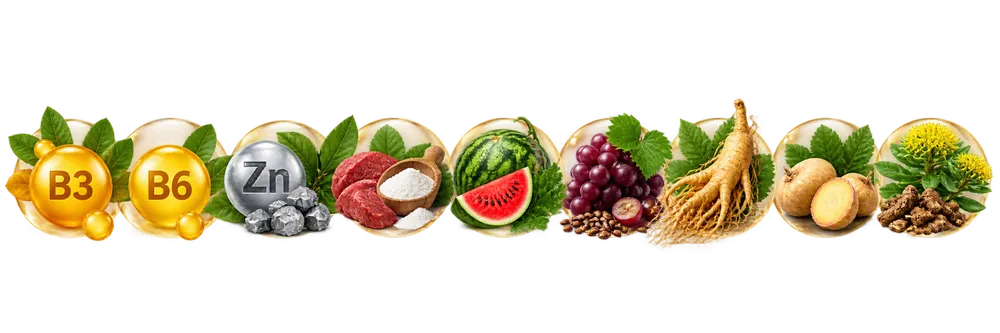
- Blood-flow support without sodium — L-Citrulline (35mg), L-Carnitine (25mg), Grape Seed Extract (25mg) and Vitamin B3/Niacin (25mg) support nitric oxide and healthy circulation.* We compare citrulline and arginine in L-Citrulline vs. L-Arginine.
- Drive, stamina and energy — a 200mg blend of Panax Ginseng, Maca Root and Rhodiola, three botanicals with a long tradition of their own in men's wellness.*
- Men's nutrition — Zinc and Vitamin B6 round out the formula.*
- Gentle and simple — a honey gummy with breakfast instead of an alkaline powder on an empty stomach. Nothing to fizz, nothing to measure.
- Made in the USA in a GMP-certified, FDA-registered facility, trusted by over 25,000 men.
- Fair pricing — $79 per bottle on the 2-bottle package, $69 per bottle on the 3-bottle package and as low as $49 per bottle on the 6-bottle package (free US shipping on 3 and 6 bottles). One-time purchase, no forced subscription.
- Risk-free — a 60-day money-back guarantee, and you do not need to return the bottles.
It is the most practical way we know to keep the daily ritual and leave the kitchen chemistry behind. Like every honest daily supplement, SodaHorsePeak builds over a few weeks of consistent use, and the 60-day guarantee covers exactly that window.
Talk to your doctor first if: you take prescription medication (especially nitrates, blood pressure medication or blood thinners), have a heart or kidney condition, manage blood sugar or diabetes, or notice sudden changes in energy or sexual function. Changes in sexual function can be an early sign worth checking.
Frequently asked questions
Who started the baking soda trick for men?
No single person or study started it. The baking soda trick spread through short social media videos and borrowed from older ideas: baking soda as a household staple, bicarbonate of soda as an old stomach remedy, athletes' bicarbonate loading and the alkaline-diet idea. There is no clinical study behind the trick itself.
Is the baking soda trick an old remedy?
The ingredient is old; the trick is new. Sodium bicarbonate has been a kitchen and medicine-cabinet staple for well over a century, and bicarbonate of soda was long used for indigestion. Drinking it daily specifically for male performance is a recent social media idea, not a traditional remedy.
Did athletes really use baking soda?
Yes, but very differently. Sports scientists study sodium bicarbonate for short, very intense exercise lasting about 30 seconds to 12 minutes. The International Society of Sports Nutrition position stand (PMID 34503527) describes doses based on body weight, from 0.2 to 0.5 grams per kilogram, taken before training, and notes that higher doses bring more stomach side effects. That is a performance-sport protocol, not a daily men's wellness habit.
Does baking soda make your body alkaline?
Your body keeps blood pH in a narrow range on its own, mainly through the lungs and kidneys. Baking soda neutralizes stomach acid and in large amounts can disturb that balance, which is a medical problem rather than a benefit. Poison Control warns that too much baking soda can cause serious harm.
Why is it called a trick for men?
Mostly marketing language. Videos framed the glass as a quick morning ritual for energy, blood flow and performance, often adding lemon, salt or honey. The appeal is real: men want a simple daily habit. The ingredient choice is the weak point, because baking soda carries a heavy sodium load.
What is a better daily ritual than the baking soda trick?
A once-a-day formula built for daily use, with no baking soda. SodaHorsePeak is a honey gummy that combines L-Citrulline, L-Carnitine, a Panax Ginseng, Maca and Rhodiola blend, Grape Seed, Zinc and B vitamins with every dose on the label. It is a dietary supplement, not a treatment, and men on prescription medication should check with a doctor first.
The bottom line
The baking soda trick for men is a new ritual built from old pieces: a kitchen staple, a stomach remedy, a sports-science protocol and a wellness belief. Each had a grain of truth in its own setting, but none of them was about drinking baking soda every morning for male performance, and no study supports doing so. Keep the instinct — a simple daily habit — and choose a tool built for it. SodaHorsePeak is our pick; see the full offer on the SodaHorsePeak home page.
Sources: Grgic J, et al. International Society of Sports Nutrition position stand: sodium bicarbonate and exercise performance. J Int Soc Sports Nutr. 2021 (PMID 34503527); Al-Abri SA, Kearney T. Baking soda misuse as a home remedy: case experience of the California Poison Control System. J Clin Pharm Ther. 2014 (PMID 24313600); Poison Control / National Capital Poison Center (poison.org/articles/baking-soda). *This article is general information, not medical advice. Statements about the product are the maker's supplement claims and have not been evaluated by the FDA. SodaHorsePeak is a dietary supplement and is not intended to diagnose, treat, cure or prevent any disease. Individual results vary. If you have a medical concern or take prescription medication, talk to a licensed clinician before starting any supplement or home remedy.